 JSN
JSN
I was the founding product designer for VOS, Harmonic's cloud-native video platform for media companies delivering live and on-demand video across screens. The work began as a product redesign and became something larger: a new software platform, a design system, and a shift in how a legacy video infrastructure company thought about user experience.
Background
When I joined Harmonic, the company was moving from hardware-centered products toward modern cloud software. The product portfolio carried the weight of that history. More than 50 separate user interfaces existed across the ecosystem, many created through different product initiatives, acquisitions, and local engineering decisions.
The result was a fragmented experience: overlapping tools, inconsistent interaction patterns, unclear workflows, and interfaces that made powerful technology feel harder to use than it needed to be.
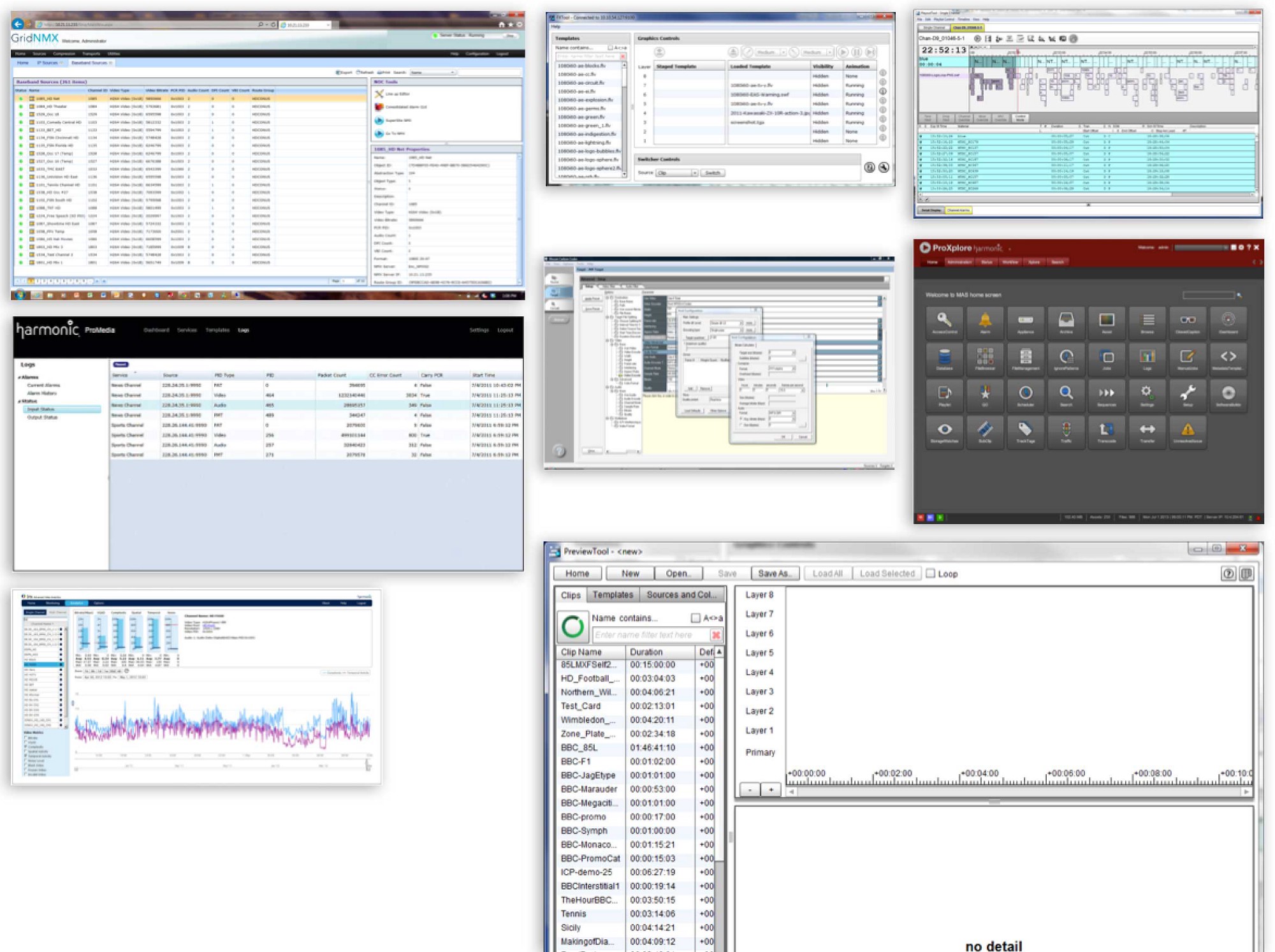
For customers running video operations at scale, that fragmentation was not cosmetic. It slowed installation, training, monitoring, upgrades, support, and confidence. The platform needed a more coherent operating model.
The Source Problem
The existing product culture had been shaped by customer-requested features. Product Managers often tried to satisfy each request by adding features directly into existing products, where they became visible to many other users who had not asked for them and did not need them.
Over time, that produced code bloat, workflow bloat, and decision bloat. The product was technically capable, but increasingly difficult to learn, maintain, and extend.
Before the user experience and interface could improve, the software design/build process had to improve.
Approach
One of my first jobs was to evangelize a more design-driven software process inside the company. I presented a workflow that put discovery, definition, design, development, and post-launch learning into a repeatable cycle.
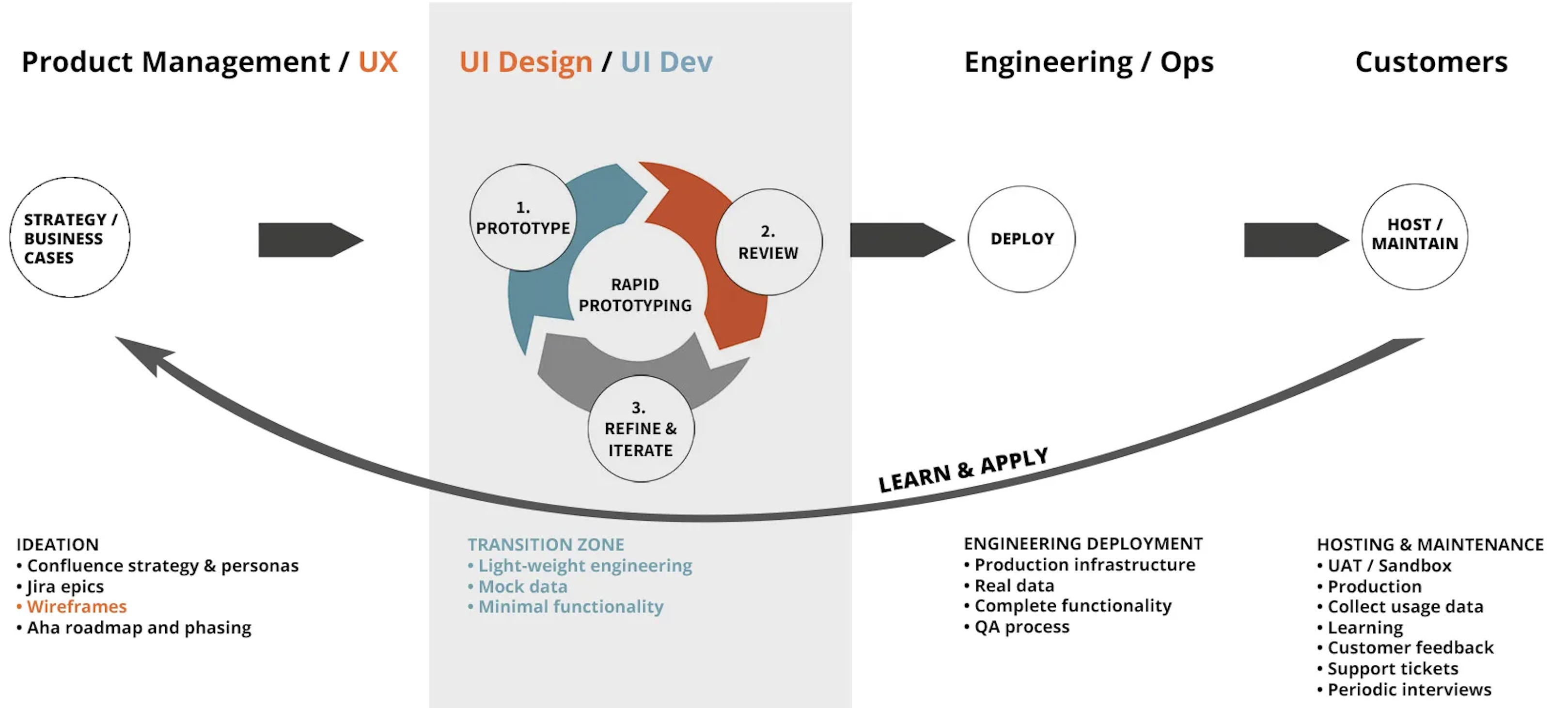
That mattered because VOS was not a single screen redesign. It was a platform-scale effort that needed to support product strategy, engineering execution, customer adoption, and future growth.
Discover
For a redesign of this scope, fixating on the legacy product would have been too narrow. I stepped back to understand the market, the operational context, and the people responsible for running enterprise video systems.
Discovery included:
- Interviews with internal subject matter experts
- Competitive analysis
- Customer visits
- Legacy usage data review
- Observation of users in real work environments
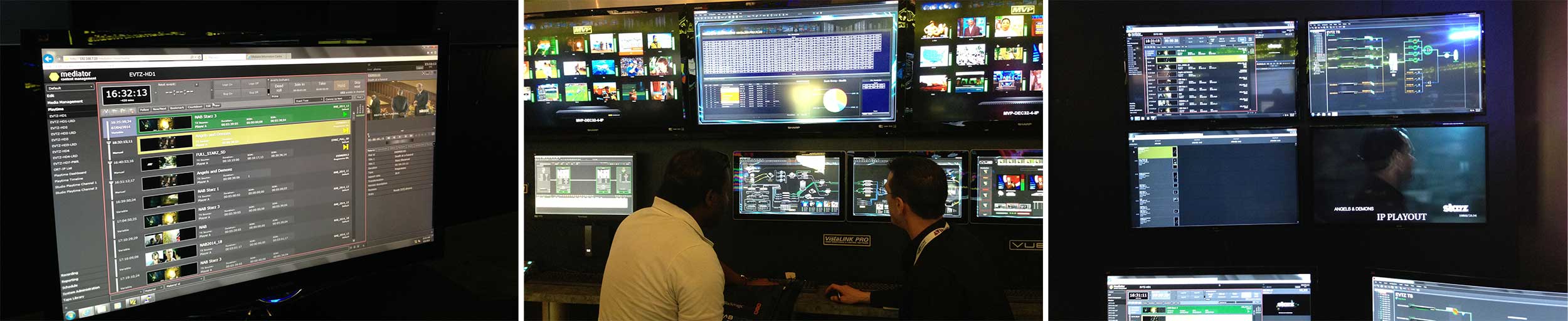
During customer visits, I kept the structure simple: ask broad questions, listen carefully, then observe how people actually worked. The clearest insight was that users were not simply asking for a cleaner UI. They were navigating a maze of operational complexity, and the product experience was making that complexity feel worse.
Customers were spending too much time training teams, installing products, upgrading systems, and moving between disconnected tools.
The UI was not just unattractive or inconsistent. It was becoming a business risk.
Define
With research in hand, I worked closely with Product Managers to interpret the findings and define a more coherent product direction.
This stage was intentionally rough and collaborative. We sketched ideas on whiteboards, captured concepts, reviewed them, discarded weak directions, and aligned on a product design plan that could evolve as the platform took shape.
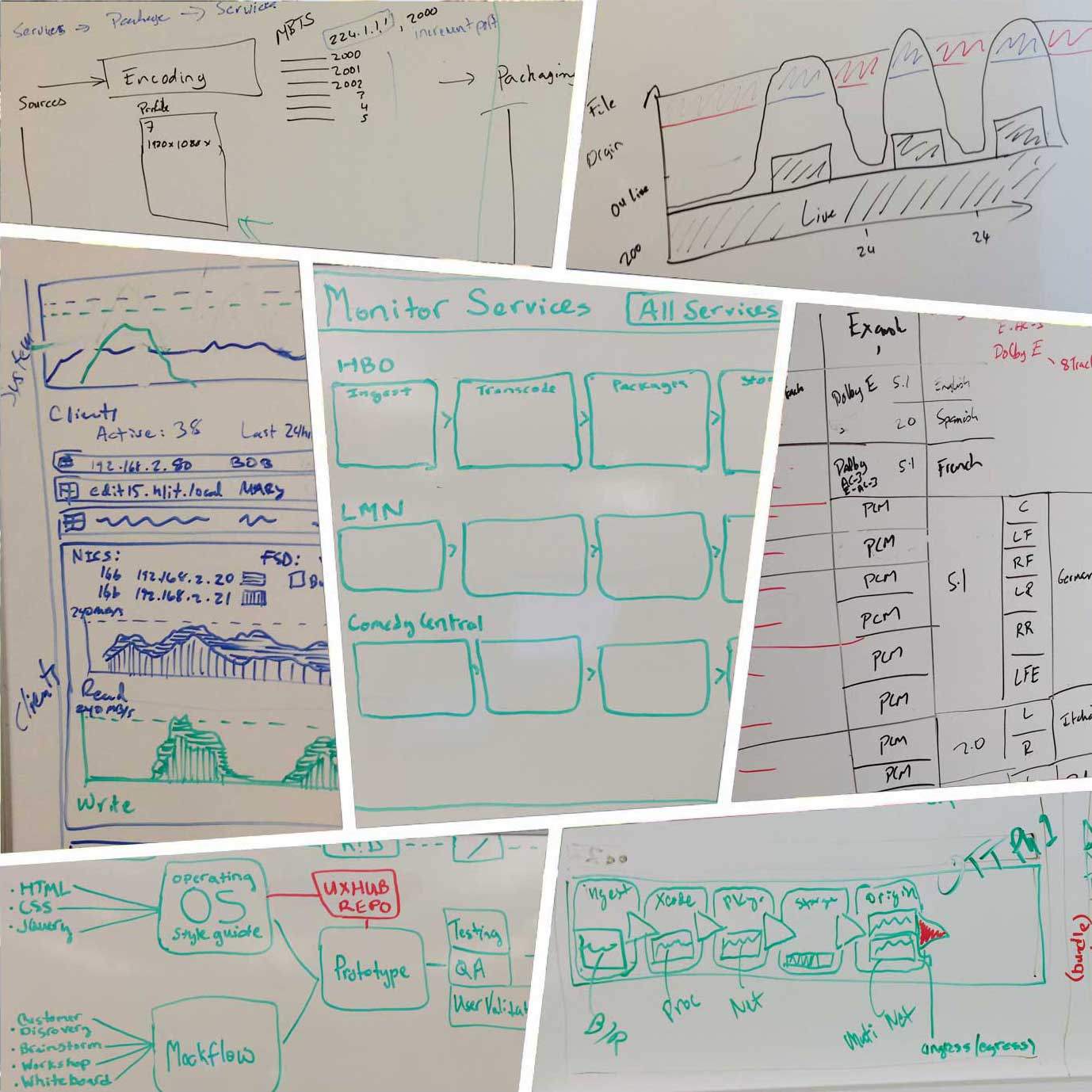
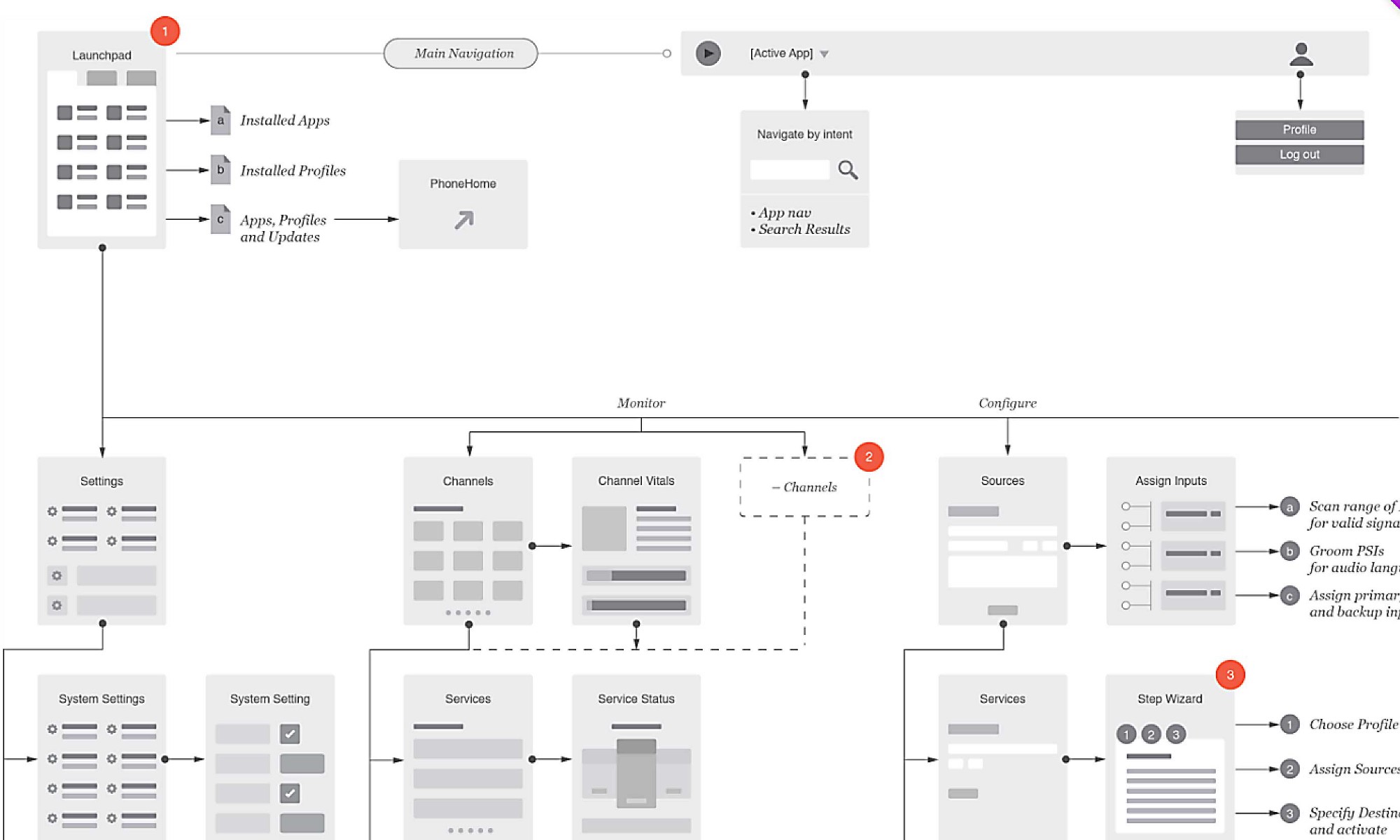
From there, I developed storyboards, wireframes, workflow maps, umbrella schematics, taxonomy, and labeling systems. These artifacts helped translate raw research into a platform structure the team could actually build.
The goal was to create an interaction framework, not just a collection of screens.
Design
As the product moved into higher-fidelity design, the work became both visual and systemic. On a platform this large, the interface needed to express the company brand, support usability standards, and create continuity across many workflows and applications.
I designed an interaction style guide with reusable components, behavioral patterns, layout structures, and CSS-oriented presentation rules. The system was shaped around current product needs while leaving room for the platform to grow.
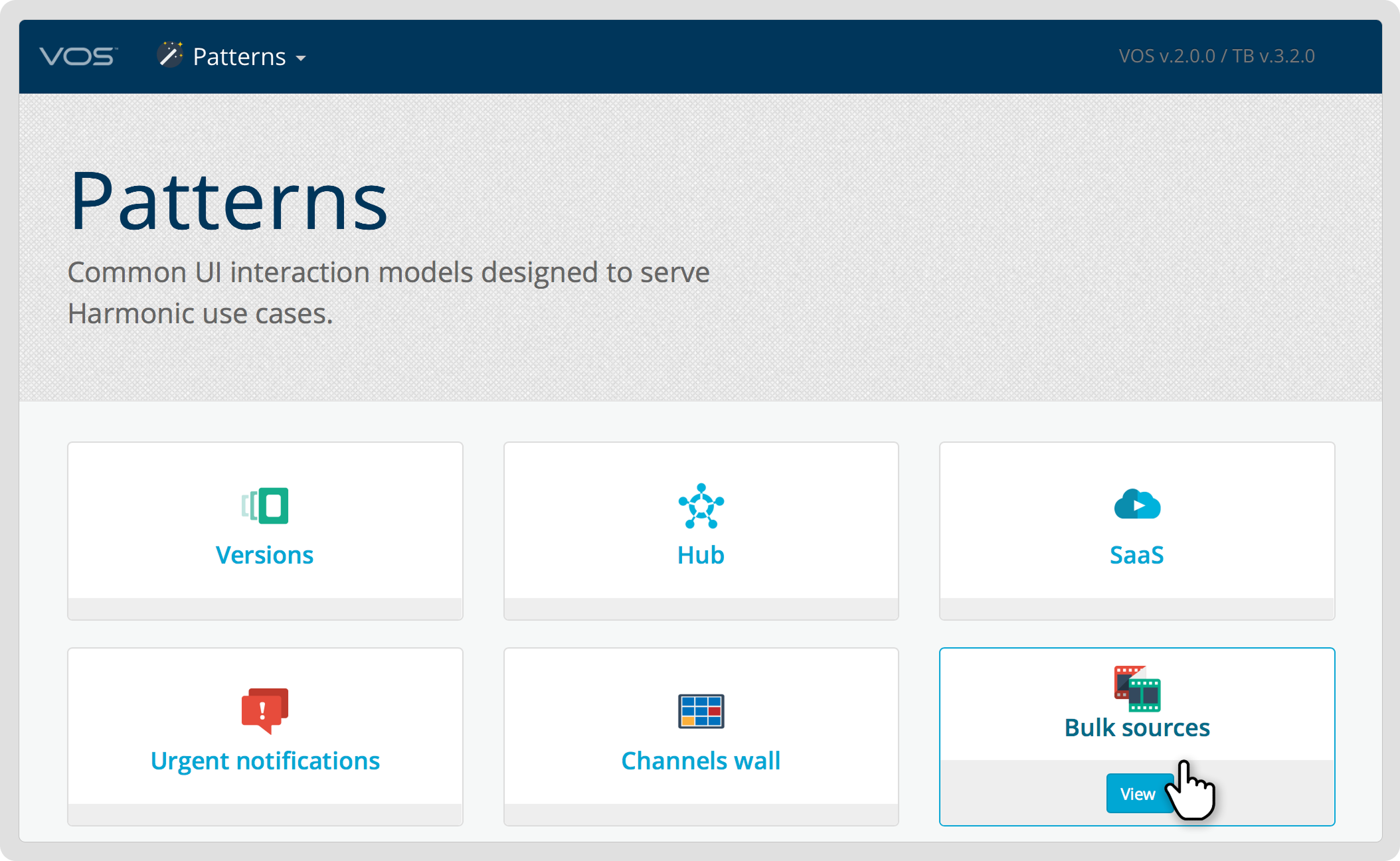
Good platform design is object-oriented. When a workflow pattern appears again, the team should not have to reinvent the interaction from scratch.
UXHub
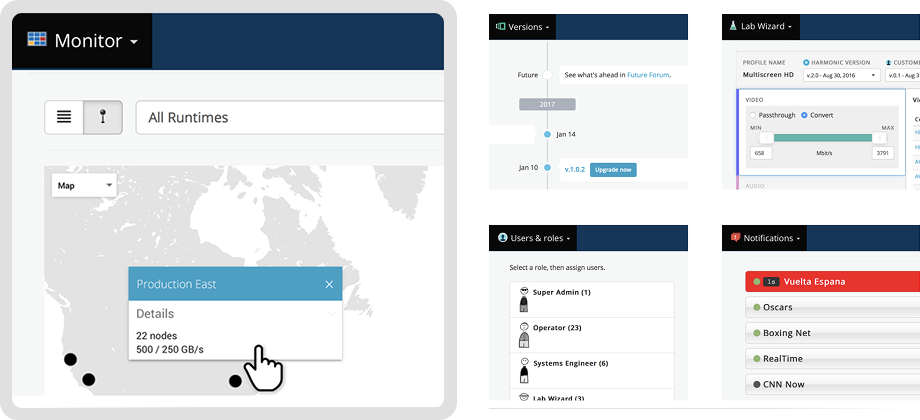
To support a globally distributed product and engineering organization, I published the design system and product guidance to an internal web portal called UXHub.
UXHub included:
- Styles and visual foundations
- Components and interaction patterns
- Responsive, desktop-mobile templates
- Semi-functional prototypes
- Pattern documentation
- References to docs and user stories
- Narrated walkthroughs for asynchronous review
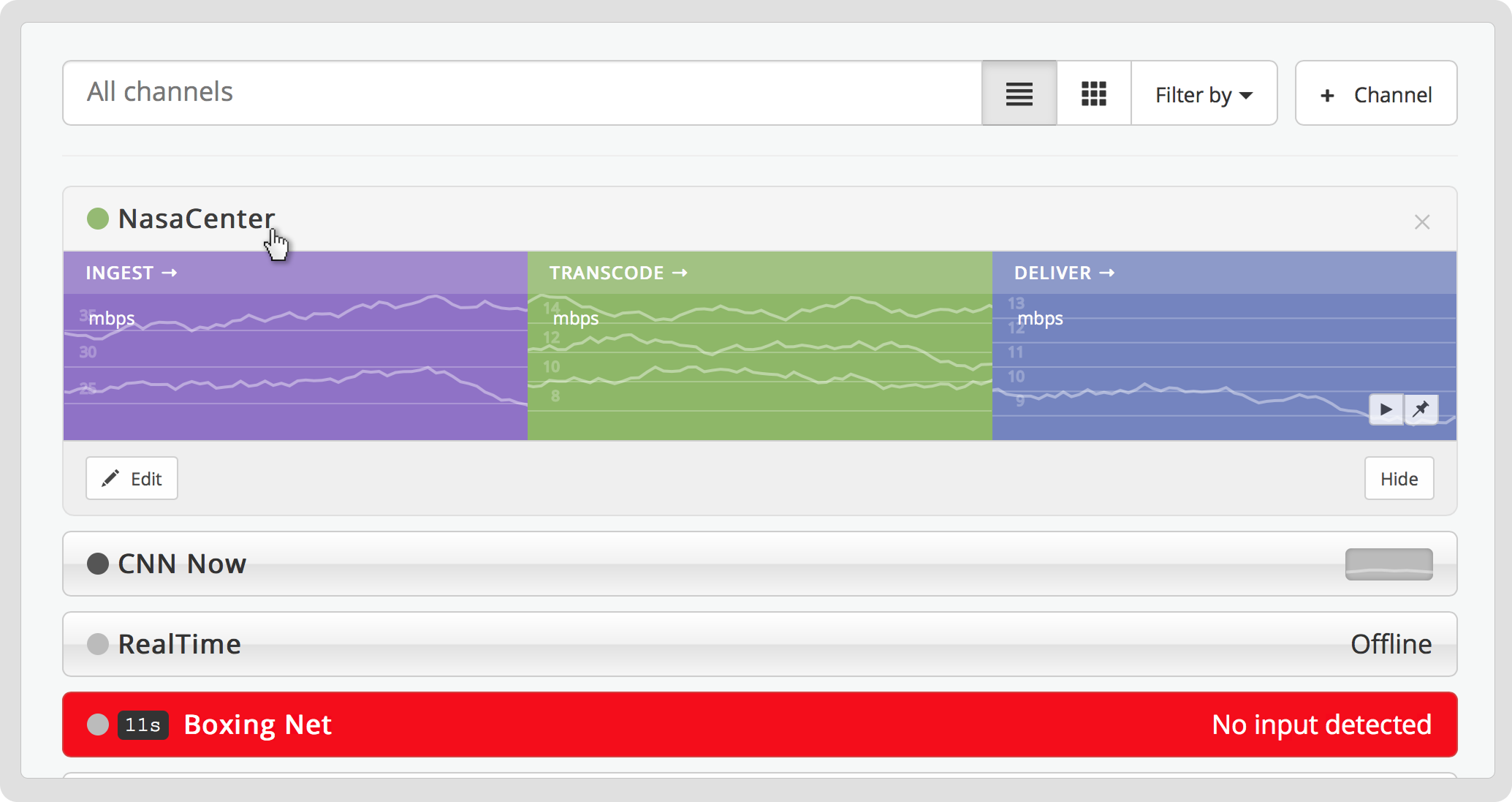
The portal gave Product Managers and Engineers a shared source of truth. It also made design guidance easier to consume across time zones. Instead of relying only on meetings, teams could review patterns, prototype behavior, and use-case walkthroughs on their own schedule.
Develop
A strong interface is only valuable when it can survive production.
For VOS, that meant treating developers as a core audience for the design work. My deliverables needed to be clear, organized, and practical enough to help engineering move faster.
My UI production team delivered significant front-end code, including responsive templates, component behavior, and CSS patterns ready for production integration. This let back-end engineers focus more heavily on microservices, API development, and platform integration.
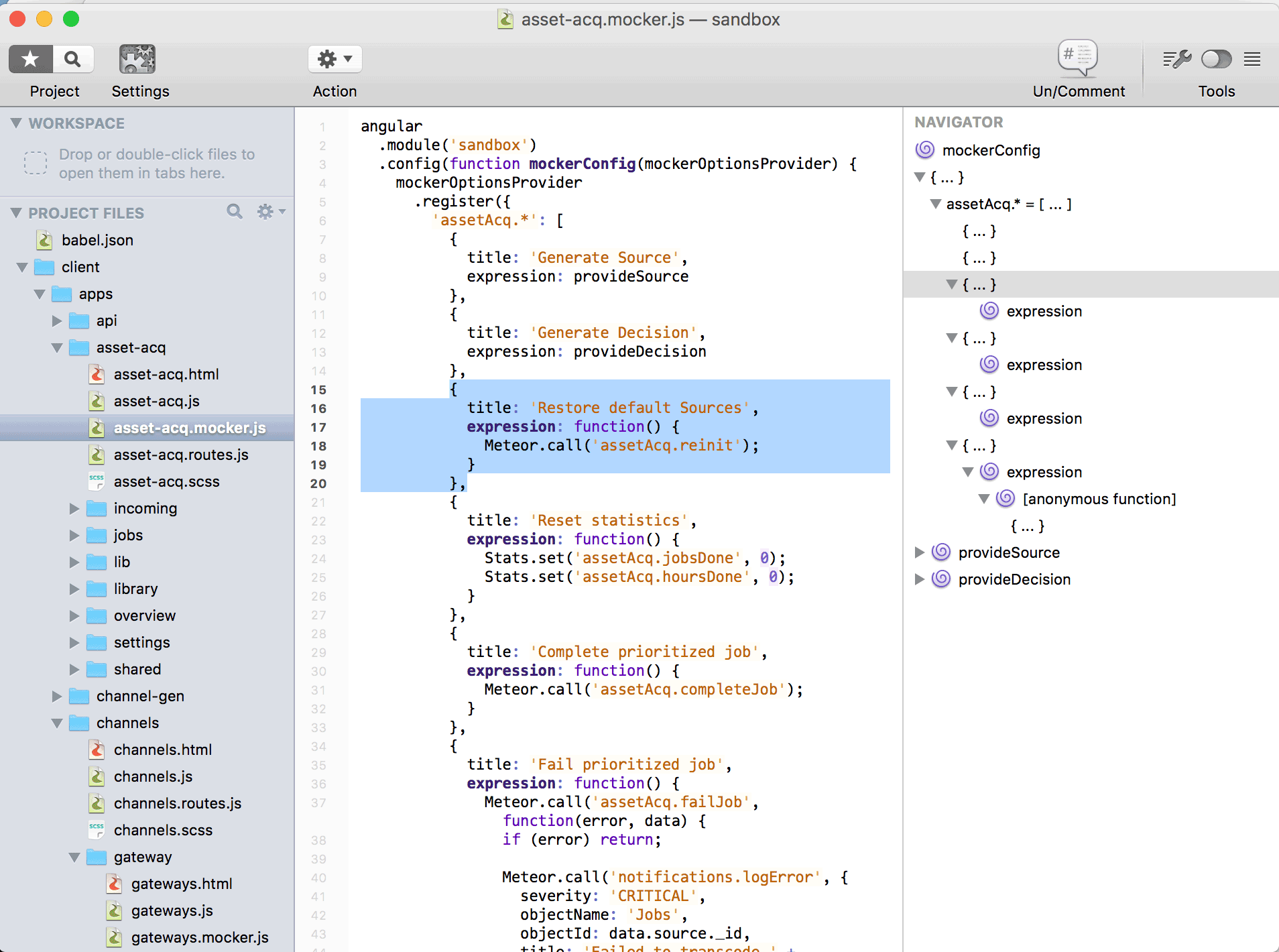
During implementation, I stayed close to the team to clarify interaction details, provide pseudo-logic, resolve corner cases, and maintain continuity between design intent and production behavior.
Deploy
Launch was not the end of the design process. For VOS, deployment began the next discovery cycle.
We evaluated the live product through two main channels:
- Usage data, including impressions, clicks, and workflow funnels
- Customer feedback from sales teams, trade shows, meetings, and community forums
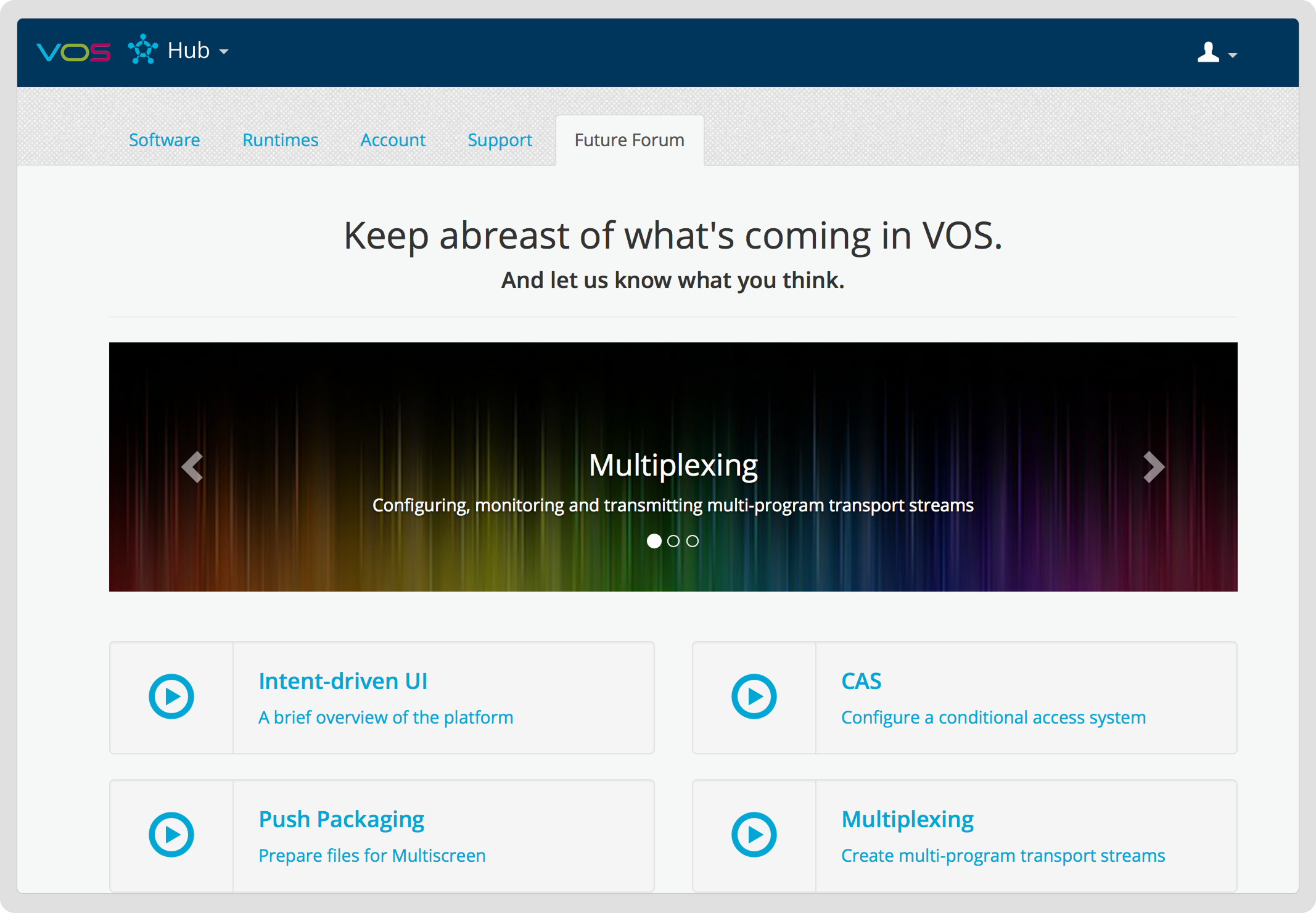
The goal was not to simply collect feature requests and bolt them onto the platform. It was to interpret customer goals, identify patterns, and feed those insights back into the roadmap. Customers should shape the product, but they should not have to design it for us.
Success
VOS helped shift Harmonic's culture from legacy product thinking toward design-led software.
The platform received design innovation recognition from major industry events and publications, including NAB and IBC.
VOS also helped support major customer momentum, including multi-million-dollar contracts soon after beta launch.
Most importantly, the work created a clearer foundation for a large-scale enterprise video platform: more consistent workflows, a stronger design system, better engineering handoff, and a product experience that matched the ambition of the underlying technology.
My Role
- Founding product designer
- Product strategy partner
- Design process evangelist
- Customer research lead
- UX and UI designer
- Design systems lead
- Prototype developer
- UI engineering team manager
- QA and implementation partner
- Product roadmap contributor
Conclusion
VOS drew on nearly every part of my design practice: research, strategy, systems thinking, visual design, prototyping, front-end collaboration, team leadership, and organizational change.
The role was daunting at the outset. It required moving between high-level platform architecture and the smallest details of daily operator workflows, then helping a 1,500-person organization build enough shared belief to change strategy, build and ship.
The work paid off in industry recognition, customer traction, and a more coherent product foundation for enterprise video.
Credits
I drew heavily on the deep domain knowledge and industry network of Product Leaders who facilitated frequent customer visits and spent countless hours brainstorming and solutioning with me. Both the local Engineers and remote software teams from Ukraine were instrumental in helping build, ship and continually improve on the product design. Thanks immensely to the executives who made the choices and rallied the troops to motivate the company behind a design-centered mission.